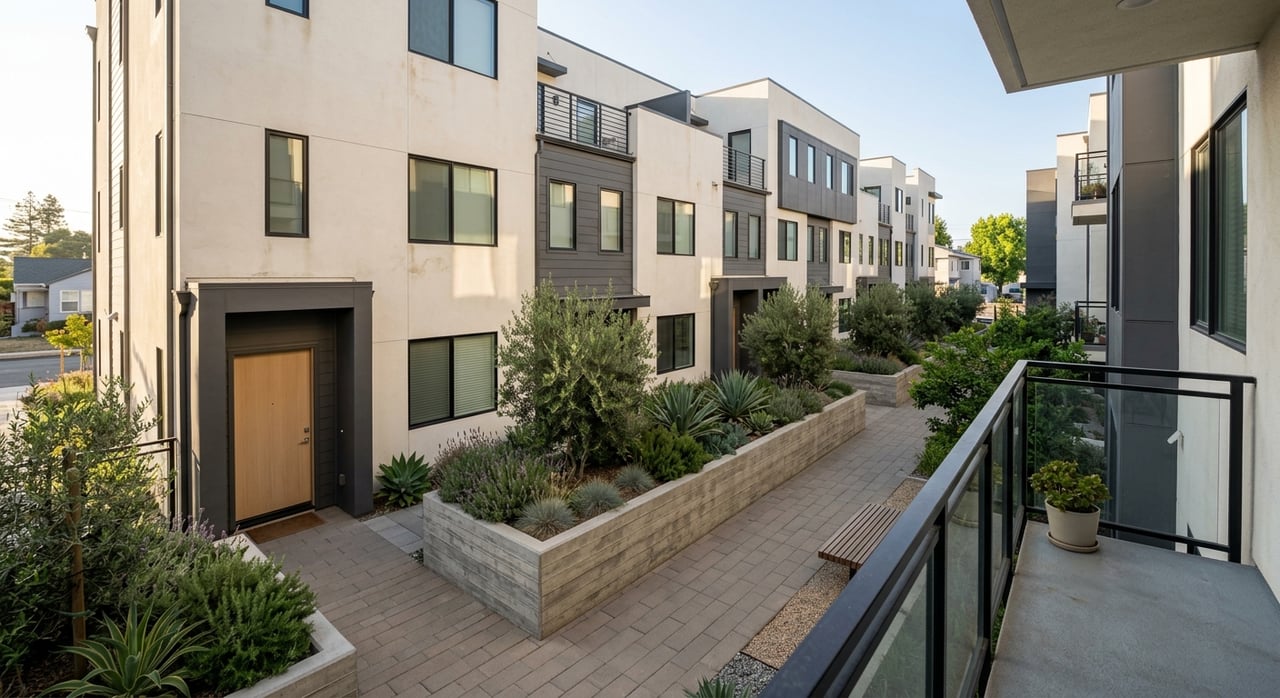
If you want Bay Area access without giving up space, scenery, and a true downtown, Livermore tends to get your attention fast. You may be comparing commute options, home prices, lifestyle tradeoffs, and whether the city feels more suburban, more wine country, or a little of both. This guide will help you understand how Livermore actually lives day to day, from downtown routines to housing context and transportation realities. Let’s dive in.
Why Livermore Stands Out
Livermore sits in Alameda County and had an estimated 84,867 residents as of July 1, 2024. The city spans 26.44 square miles and is described by city materials as the easternmost city in the San Francisco Bay Area and a gateway to the Central Valley.
That location shapes a lot of what you feel on the ground. Livermore has Bay Area connections, but it also has more open land, vineyard surroundings, and a different pace than many inner Bay communities. City materials also point to Lawrence Livermore National Laboratory and Sandia National Laboratories as major local anchors.
Another big part of Livermore’s identity is wine. The city highlights Livermore as California’s oldest wine region, and the Livermore Valley Winegrowers Association says there are more than 50 wineries across the valley, with 44 wineries shown on its Wine Heritage District map.
Downtown Livermore Life
Downtown is a major reason many buyers and movers look closely at Livermore. The Downtown Specific Plan describes downtown as the center and heart of the city and says it was intended to become a pedestrian-friendly commercial and entertainment district supported by office and housing uses.
That vision shows up in the streetscape. City project history says First Street was narrowed, sidewalks were widened, and flex zones were added for outdoor dining and display. In practical terms, that means a more walkable core where daily errands, dining, and events can feel more connected.
The city also describes downtown as a shopping, dining, entertainment, and cultural district. It includes a 10-screen cinema and a 500-seat performing arts center, which helps create activity beyond standard business hours.
If you enjoy recurring local events, downtown has regular market activity too. Livermore Downtown Inc. says the district hosts a year-round Sunday farmers market on Second Street and a seasonal Thursday farmers market at Carnegie Park.
A Walkable Core With Ongoing Growth
Downtown Livermore is not standing still. City materials point to downtown housing as part of the area’s ongoing evolution, including the 130-unit Downtown Livermore Apartments project near Railroad Avenue and Veterans Way.
That matters if you want a city center that continues to add housing and activity instead of functioning as a historic district only. It suggests a downtown that is growing into a fuller live-work-visit environment while staying tied to its commercial and civic role.
For buyers, that can translate into more housing variety near the core over time. For sellers, it is one more sign that downtown remains a focal point in Livermore’s long-term planning.
Wine Country Surroundings
Outside the downtown core, Livermore’s setting changes quickly. The city says Livermore is framed by hills, ridgelines, vineyards, and agricultural land, which gives many parts of the area a more open and scenic feel than you might expect in the Bay Area.
The Livermore Valley Winegrowers Association adds an important detail about climate. It says the valley’s east-west orientation helps bring in marine breezes and cool nights, while the city says Livermore benefits from protection from the coastal range that contributes to a mild climate.
For everyday life, this means Livermore often appeals to people who want suburban housing with access to tasting rooms, open views, and a landscape that feels less dense than many nearby employment centers. It is one of the clearer examples in the East Bay of a place where wine-country character and commuter practicality overlap.
Parks And Outdoor Space
If outdoor access matters to you, Livermore has real depth here. LARPD says it provides neighborhood parks, community parks, and open space parks totaling 1,360 acres, along with trails, dog parks, and equestrian and sports facilities.
Robertson Park is one of the signature spaces in the system. LARPD says this 110.3-acre neighborhood park includes a dog park, disc golf course, equestrian center, sports fields, picnic areas, and a walking path.
That range gives you more than just a playground or green strip. It supports different lifestyles, whether you want room to walk, play sports, spend time outdoors with your dog, or simply enjoy a larger park system as part of your weekly routine.
Housing In Livermore
Livermore’s housing profile reflects a high-cost Bay Area market with a strong ownership base. Census QuickFacts lists a 72.0% owner-occupied housing rate, a median owner-occupied home value of $1,105,600, and a median gross rent of $2,677.
The same source reports a median household income of $160,775 and an average household size of 2.74. Together, those numbers point to a city where many households are established owners, but where buying or renting still requires careful planning and a realistic budget.
If you are relocating from a denser or higher-priced Bay Area market, Livermore may feel like a better fit for space and lifestyle. If you are coming from parts of the Central Valley, the price point may feel like a major jump, even if the commute or Bay Area access is part of the reason you are considering it.
Growth And New Housing Supply
Livermore is also planning for more housing. The city’s 2023 to 2031 Housing Element gives Livermore a Regional Housing Needs Allocation of 4,570 units.
Current city projects help show what that growth may look like. In addition to the 130-unit downtown affordable housing project, the city says Isabel Crossing is planned for about 1,300 residential units, including townhomes, duplexes, and mid-rise rental apartments, plus commercial, office, park, and plaza space.
This is an important point if you are trying to picture Livermore’s future. The city still reads as suburban in everyday life, but it is also adding denser infill near downtown and major corridors. That can create more housing options while gradually changing how certain areas function and feel.
Commute And Transportation Reality
For many buyers, the biggest question is simple: can Livermore work for my commute? The answer depends on where you need to go, but the city has multiple transportation connections that support regional access.
The city says Interstate 580 is the primary freeway, heading west to the rest of the Bay Area and east toward the Central Valley. That makes Livermore relevant to both East Bay workers and households balancing Bay Area employment with more inland connections.
For rail and bus users, the city says ACE has one station near downtown Livermore by the Livermore Transit Center and another at Vasco Road near Lawrence Livermore Lab. Wheels also connects Livermore to BART, ACE, and other regional transit, and the nearby BART option is the Dublin/Pleasanton station.
Census QuickFacts lists a mean commute time to work of 30.1 minutes. That supports the idea of Livermore as a practical commute base, not just a destination city or weekend wine stop.
What Daily Life Can Feel Like
Livermore often works best for people who want options. You can have a more suburban routine, spend time in a walkable downtown, enjoy access to parks and trails, and still stay connected to major regional routes.
That mix is what makes the city stand out. It is not trying to be a dense urban core, and it is not just a rural wine area either. Instead, it offers a blend of established neighborhoods, growing housing nodes, civic amenities, and wine-country surroundings.
If you are deciding whether Livermore fits your next move, it helps to look beyond labels. The real question is whether this combination of downtown life, open-space access, and regional connectivity matches the way you want to live.
If you are exploring a move to Livermore, comparing it with other East Bay or Central Valley options, or trying to understand what your buying or selling strategy should look like, Jose Diaz can help you map out the next step with clear guidance and responsive support.
FAQs
What is daily life like in Livermore, California?
- Livermore offers a mix of suburban living, a walkable downtown, wine-country surroundings, parks, and regional commute access through I-580, ACE, Wheels, and nearby BART connections.
Does downtown Livermore have walkable amenities?
- Yes. City planning materials describe downtown as a pedestrian-friendly commercial and entertainment district, and city history notes improvements like widened sidewalks, a narrowed First Street, and flex zones for outdoor dining and display.
How many wineries are in Livermore Valley?
- The Livermore Valley Winegrowers Association says there are more than 50 wineries across Livermore Valley, with 44 wineries shown on its Wine Heritage District map.
Is Livermore more suburban or urban?
- Livermore is generally suburban in everyday feel, but it also has a more active downtown core and is adding denser housing in select areas near downtown and major corridors.
What is the housing market context in Livermore, California?
- Census QuickFacts reports a 72.0% owner-occupied housing rate, a median owner-occupied home value of $1,105,600, and a median gross rent of $2,677, which points to a high-cost market with a strong ownership base.
What transportation options are available in Livermore?
- Livermore is served by Interstate 580, ACE stations near downtown and Vasco Road, Wheels bus connections to regional transit, and nearby BART access through the Dublin/Pleasanton station.